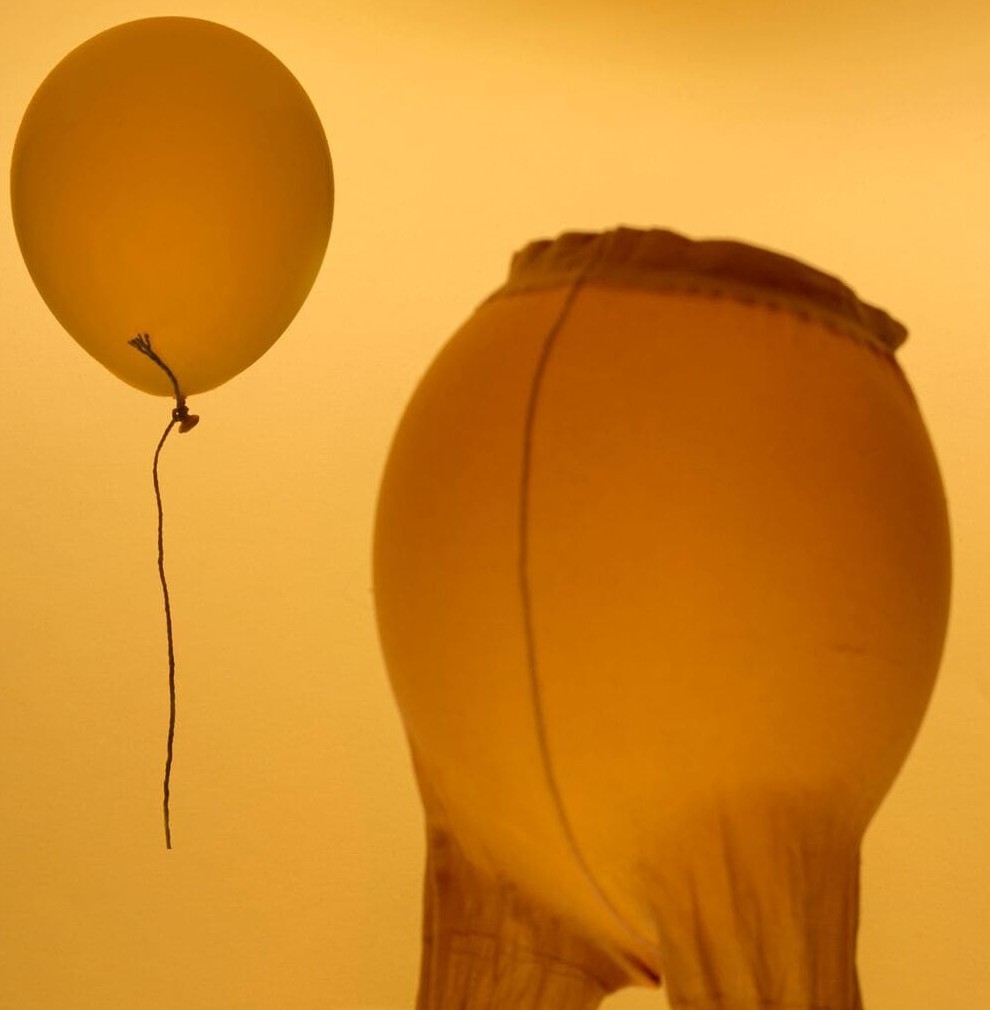
Surrealism occupies a distinctive place in modern art, challenging conventional ideas about reality, imagination, dreams, and the human subconscious. This movement is most commonly associated with France and figures like André Breton, Salvador Dalí, and René Magritte.
However, it also developed a particularly interesting identity in Central Europe. Czech Surrealism, in particular, became one of the most enduring and intellectually significant branches of the international movement.
Before we focus on Czech Surrealism film, let’s address the basics.
The Origins and Development of Czech Surrealism
Surrealism emerged in Paris during the 1920s, following the First World War. In 1924, André Breton published the Manifesto of Surrealism, establishing the movement’s central principles.
Surrealists sought to move beyond rational thinking and conventional artistic representation, exploring dreams, unconscious associations, chance, and the psychological dimensions of human experience. Rather than simply depicting imaginary worlds, they wanted to challenge the distinction between reality and imagination.
In Czechoslovakia, these ideas found fertile ground among artists who were already experimenting with modernist and avant-garde approaches. One important predecessor was Devětsil, an artistic association founded in Prague in 1920. Its members explored modern literature, visual arts, architecture, photography, and cinema. Therefore, it was an artistic movement because it encompassed different artistic expressions, not just cinema.
The Importance of Devětsil
As mentioned above, Devětsil is crucial for the development of Czech Surrealism. An important concept associated with it was Poetism, an artistic movement that celebrated imagination, everyday experiences, humour and the poetic possibilities of modern life. Several artists who later became central to Czech Surrealism emerged from this environment.
The Czechoslovak Surrealist Group was officially established on 21 March 1934, with Vítězslav Nezval playing a central role in its foundation. Among its important members were Karel Teige, Toyen (Marie Čermínová), Jindřich Štyrský, Konstantin Biebl, Bohuslav Brouk and Vincenc Makovský. The group’s development was closely connected to the international Surrealist movement.
However, the movement was not without internal disagreements. Political differences and conflicting artistic positions led to tensions, and Nezval announced the group’s dissolution in 1938. Nevertheless, other members continued their activities, and Czech Surrealism survived through different generations, political circumstances, and periods of cultural repression.
The Second World War and the subsequent communist regime created considerable difficulties for independent artistic expression. Yet the movement never completely disappeared. Its ideas continued to circulate, sometimes within underground artistic circles, providing the foundation for a remarkable revival in the 1960s.
The Artistic Characteristics of Czech Surrealism
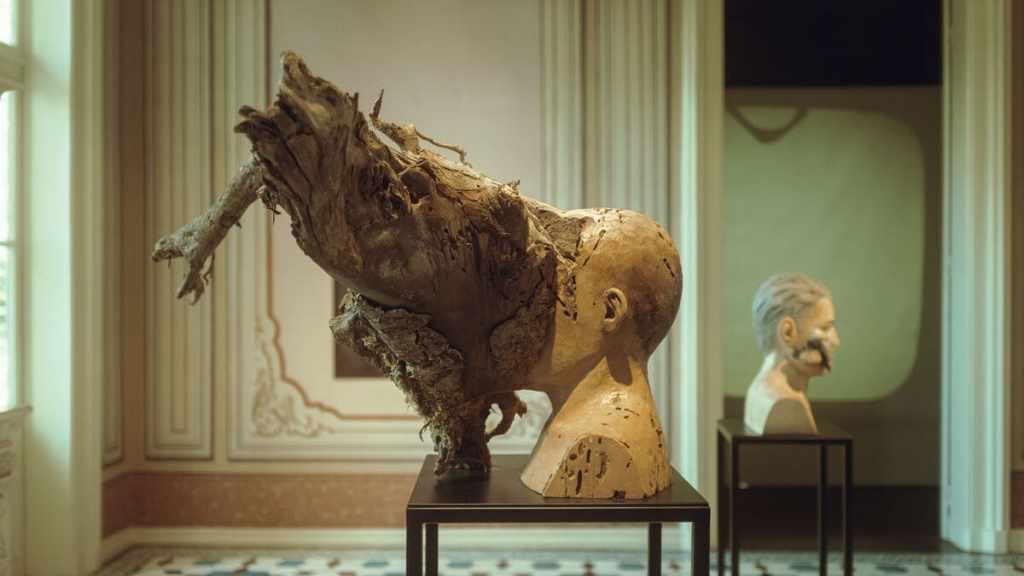
Czech Surrealism shared many principles with its international counterpart, but it developed a distinctive relationship with objects, materials, humour and everyday reality. Artists frequently combined recognisable elements with unexpected forms, creating images that seemed simultaneously familiar and impossible. Ordinary objects could acquire mysterious meanings, while human figures and landscapes were transformed into psychological or symbolic environments.
Toyen, one of the movement’s most important figures, explored sexuality, isolation, war, desire, and the unconscious through mysterious and often ambiguous imagery. Jindřich Štyrský experimented with painting, photography, and collage, frequently combining unrelated visual elements to create unexpected associations. Karel Teige contributed significantly to the movement’s theoretical foundations, while Vítězslav Nezval brought its principles into poetry and literature.
An important characteristic of Czech Surrealism was its refusal to treat imagination as something separate from everyday existence. Instead, the movement attempted to reveal the strange, irrational, and poetic dimensions already present in ordinary life.
This understanding would become particularly important for Czech cinema, where familiar domestic environments, toys, food, furniture, and everyday activities could be transformed into extraordinary visual experiences.
Czech Surrealism Film and its Influence
Let’s make an important distinction here because it’s almost impossible to say which movies were directly part of the movement.
The following films represent different interpretations of Czechoslovak and Czech Surrealism. They range from works created by filmmakers directly associated with the Surrealist movement to experimental productions influenced by its artistic principles, imagery, and philosophy.
Although not all of these films can be classified as strictly Surrealist, each demonstrates a connection to the movement. Moreover, they also show the broader avant-garde tradition that shaped Czechoslovak cinema, particularly during the 1960s and beyond. To be more specific, some can be connected to the Czechoslovak New Wave, but also incorporate Surrealist influences.
- Dimensions of Dialogue (dir. Jan Švankmajer)
- Daisies (dir. Věra Chytilová)
- Valerie and Her Week of Wonders (dir. Jaromil Jireš)
- Alice (dir. Jan Švankmajer)
- The Cremator (dir. Juraj Herz)
- Food (dir. Jan Švankmajer)
- A Report on the Party and the Guests (dir. Jan Němec)
- Faust (dir. Jan Švankmajer)
- Little Otik (dir. Jan Švankmajer)
- Fruit of Paradise (dir. Věra Chytilová)
Final Words on Czech Surrealism and Czech Surrealism Film
Czech Surrealism left a lasting mark on European cinema and art, challenging conventional storytelling and exploring the boundaries between dreams, imagination and reality. Its influence became particularly visible through the New Wave in this country with filmmakers such as Věra Chytilová, Jaromil Jireš and Jan Němec. These directors embraced experimental narratives, absurdity and unconventional visual language.
However, Jan Švankmajer remains its most distinctive cinematic representative, transforming everyday objects and familiar environments into extraordinary Surrealist experiences. Whether through animation, psychological horror, or experimental filmmaking, this cinema demonstrates Surrealism’s ability to make the familiar strange and the impossible believable.



Leave a Reply