Even though Macedonia is a small country, you can always find top-notch artists. Aside from filmmakers, other artists deserve praise. However, being born in a country with two million people makes it challenging to succeed in theater, let alone in any other art form.
Some artists who love films express themselves via other art forms, such as collage movie posters. And they would be perfect, at least for being hired to construct a collage movie poster. Some are even good at acting. One such artist is Margarita Vasileska.
Who Is Margarita Vasileska?
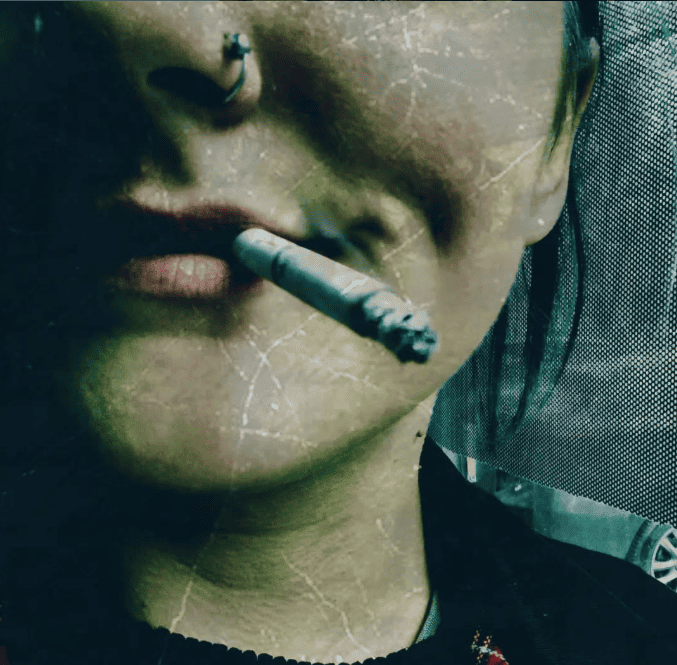
Born 20.09.1986 in Skopje, Macedonia, Margarita is a graduated sculptor with a major in graphic design. Still, her forte is collage art. Hence, she also loves the idea of creating a collage movie poster.
She’s cool yet modest, artistic yet realistic, punk yet elegant. Try telling her this directly, and she’ll be thankful but increasingly ashamed. When I asked her for an interview, she wasn’t eager to do it immediately. In fact, I think she’s still a bit uncomfortable about it.
Nevertheless, here we are.
First things first, what’s your favorite movie?
Answer: First of all, thank you a lot for the awesome intro; you actually made me blush.
My favorite movie? That’s a difficult choice. It really depends on my mood and the period I’m in. But whenever someone asks me, the first one that comes to mind is Wings of Desire (Der Himmel über Berlin) by Wim Wenders. It’s a wonderful film – every frame feels like a piece of art. The story is a simple love story. I don’t have much faith in humanity, but love is what makes us human. And the soundtrack, which is very important to me, is perfectly composed. So I’d say that this film is my number one.
Some films use sculpture or monumental objects as symbols. Is there a particular movie where the use of sculpture, statues, or maybe collage film structure struck you as powerful?
The Golden Angel, from Wings of Desire, also. It’s a huge and megalomanic sculpture that captures something so immaterial and spiritual. I can’t think of other examples at the moment, but scenography is truly important to me. In fact, it’s what I consider my dream profession.
If a filmmaker asked you to design a sculpture as a central prop or a collage movie poster, what kind of story would you like it to be part of?
It would certainly be something related to women’s rights, with a woman as the protagonist. Something defiant and grand, yet gentle and brave, carrying a dark undertone but with a hopeful perspective, something that would spark change.
Has cinema ever influenced your work, either in terms of form, atmosphere, or narrative?
I really love the 30s and 40s – the whole vibe, the art deco style, the sophistication of the actors back then, their manners. And when you mix all of that with a bit of punk and an alternative edge, it becomes something unstoppable.
Artists also work with light and shadow. Do you think cinema, which is a lot about using light, shares a relationship with sculpture?
Yes, the third dimension really depends on light – and of course, light is essential to be able to create. I also believe it’s important for expressing the attitude or message you want to convey.

If you could collaborate with any film director, living or past, to create a sculpture for their set or a collage movie poster, who would you choose and why?
I really like the scenography in A Clockwork Orange or movies like that, fundamental things, also classical music in relation to hooligans. It’s very cool. And just recently, I watched another film that stayed with me, Stoker by Park Chan-wook. I was amazed by everything visual in that movie: the colors, the light, and the clever trick of transformation. I really enjoyed watching it.
Is there a film scene where an object, painting, or sculpture-like form felt as expressive as an actor’s performance?
German Expressionism, definitely, The Cabinet of Dr. Caligari, a truly crazy experience.

How do you feel about the use of digital effects, CGI, and AI to create sculptures, sets, and characters in film? Today, even collage movie posters. Does it add to or diminish the artistic value?
I’m not really into the digital world – it feels emotionless to me, kind of sterile. I don’t use it in my collage art. Maybe for some people it’s easier to express themselves that way or to capture a certain idea. For me, I just don’t experience it the same. To be honest, I know so little about it that I actually had to look up what the CGI even means. Haha.
If your life and artistic journey were turned into a movie, what kind of sculpture or collage art would you want to appear as a recurring motif on screen?
Oh, well, I wouldn’t know, that’s something you’d have to ask the directors who will make a movie for me posthumously, haha. I can just say that, as a genre, it definitely wouldn’t be a romantic comedy.
Which do you prefer, a digital movie poster or a handmade collage movie poster?
Well, as you can tell from my previous answer, I’m clearly analogous to the bone, haha. For example, when I work in collage painting, there’s such a special joy in finding exactly the right little piece among every “trash” that I’ve collected. The perfect color, texture, or image, and placing it in just the right spot. That feeling is even better than making love.
Which actors and actresses are your eternal inspiration, both in your work and in life generally?
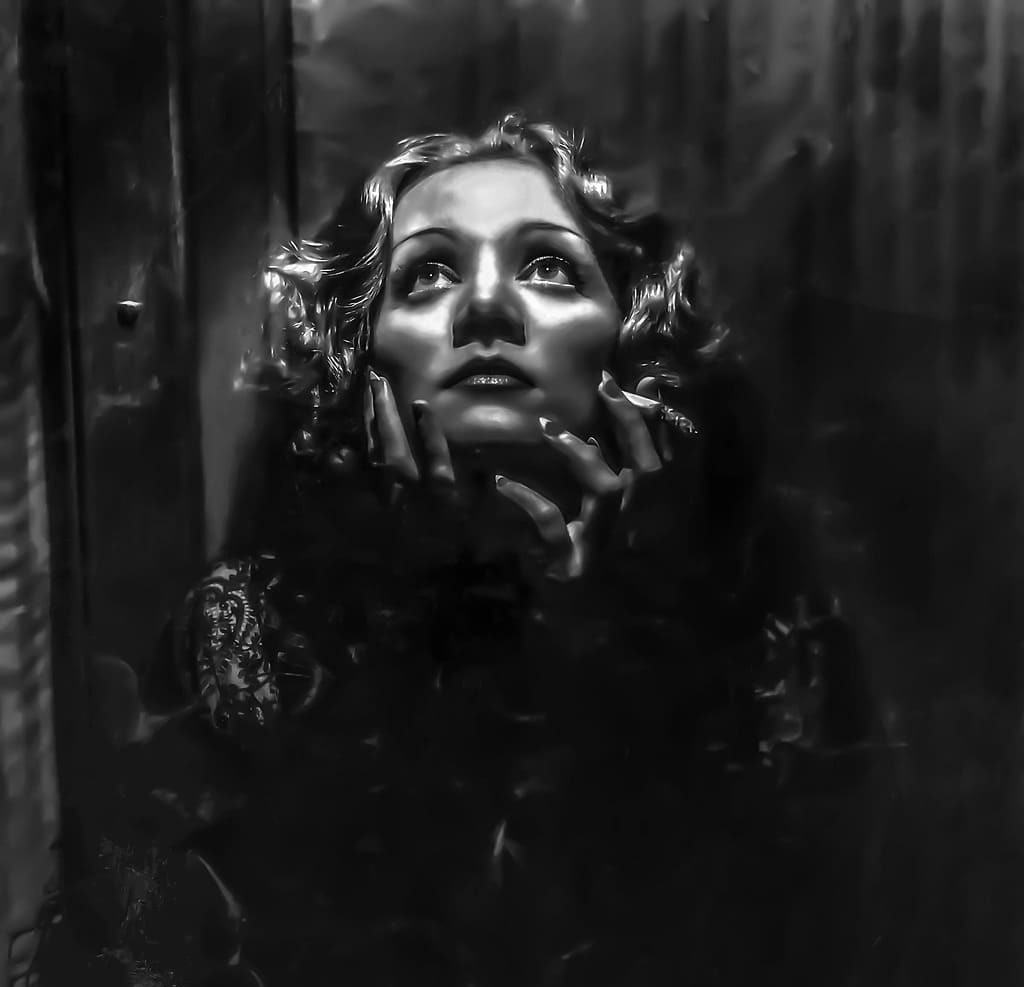
I have to mention Marlene Dietrich – so striking. Joan Crawford, Humphrey Bogart, Buster Keaton and his sad eyes, Louise Brooks, Gloria Swanson, and a million others.
Many feminist filmmakers and artists use metaphors to challenge traditional gender roles. As someone who works with collage art and sculpture, how do you think your art could contribute to feminist storytelling in cinema – either through posters, props, or symbolic imagery on screen? Or, do you think art can truly make an impact regarding this subject?
For me, collage art and sculpture are ways to break things apart and rebuild them with new meaning. If these elements appear in film, whether as a poster, a prop, or just a symbolic detail on screen, they can challenge the way we usually look at gender roles. Collage is loud and messy; sculpture, with its physical presence, can bring strength and weight that go against the usual objectification of the female body in visual culture.
I do think art can make an impact, not always by sending a clear message, but by leaving images that stay in people’s minds. Those little symbols can spark new ways of thinking, and that’s where feminist storytelling really begins.
Last but not least, who are your favorite artists, directors, and actors/actresses? List your top choices.
In addition to the ones mentioned above, I really like Tarantino, with his excellent and super cool dialogue. Also, Sofia Coppola, Woody Allen, David Lynch, Orson Welles, Miloš Forman, along with their muse actors, and many, many others.

As we wrap up the interview, Margarita is happy yet relieved. It’s not surprising since artists don’t like to show off too much. Especially not true artists, such as painters or sculptors. For her, there are no red carpets, PR events, tabloids, and other important but also meaningless extravaganzas. Not that she’s sad about it, since people like her connect and feel the world deeply, as an artist should.
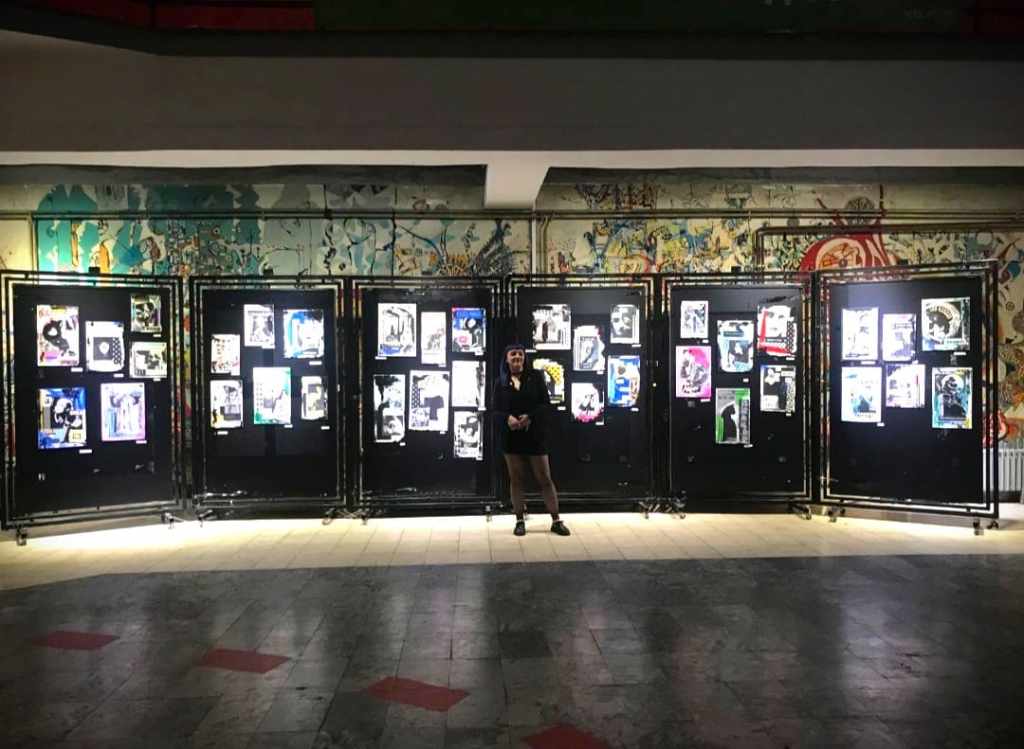
Margarita’s art is authentic, but the places she exhibits are even more. After all, she’s a punker whose art you may find in bars, pubs, and even accumulator stores. Yes, you read that right.
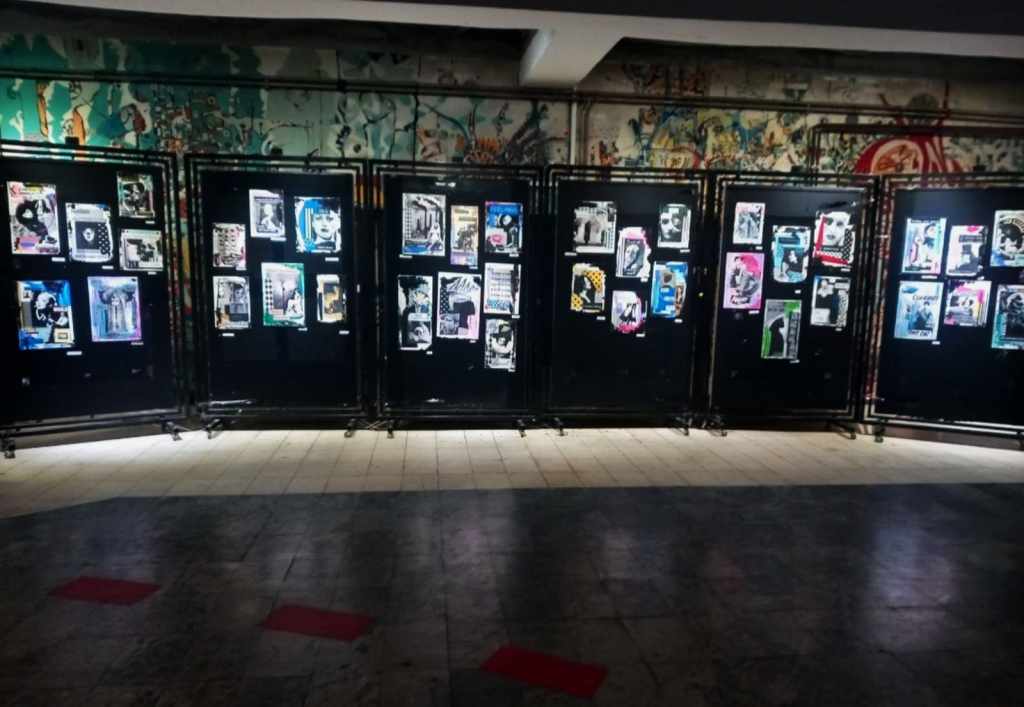
Below you have her crucial exhibitions so far. Additionally, you can find her collages on her Instagram page – margaritaisart or on her website, margaritaisart.wordpress.com. Whether you need a collage, a collage movie poster, or a sculpture, feel free to DM her. You can also contact her via her LinkedIn profile or via her email, margaritaisart@gmail.com.
She may be shy, but she’s extremely professional.
Solo Exhibitions
- Varta Shop
- Kasha Bar
- MKC Skopje (Skopje City Festival 4)
Group Exhibitions
- Public Room
- House of Culture “Kočo Racin”

 framebyframecritic
Leave a comment