Lordan Zafranović stands as one of the most daring and uncompromising directors to emerge from Yugoslavia. His films have a fearless confrontation with historical trauma, a poetic yet unflinching visual style, and a commitment to challenging nationalism and collective amnesia.
From his early days in the Black Wave to his exile and return, Zafranović’s work continues to provoke, disturb, and inspire.
Therefore, is Lordan Zafranovic really a provocateur or is he just telling the truth?
Early Life and Education of Lordan Zafranovic
Born in Maslinica on the island of Šolta, he spent his early years in the El Shatt refugee camp during World War II. After the war, his family settled in Split, Croatia. Initially trained in ship engineering, he later pursued studies in literature and fine arts.
His passion for cinema ignited at the legendary Kino Klub Split, where he began making amateur films. In 1967, he enrolled at the prestigious FAMU film school in Prague, graduating under Oscar-winning director Elmar Klos. He had experience prior to this since he was an assistant director to Vatroslav Mimica. Zafranovic was also one of the founders of FAS, the Film Author’s Studio. In 1966, there was one more clear sign he was extremely talented since he was awarded the Master of International Amateur Film.
This period deeply influenced his artistic development, aligning him with the avant-garde and politically charged style of the legendary Black Wave in Yugoslavia. He’s also one of the five directors who were praised by critics and called The Prague Film School, even though their style is different.
Political Problems of Lordan Zafranovic, Exile, and Return
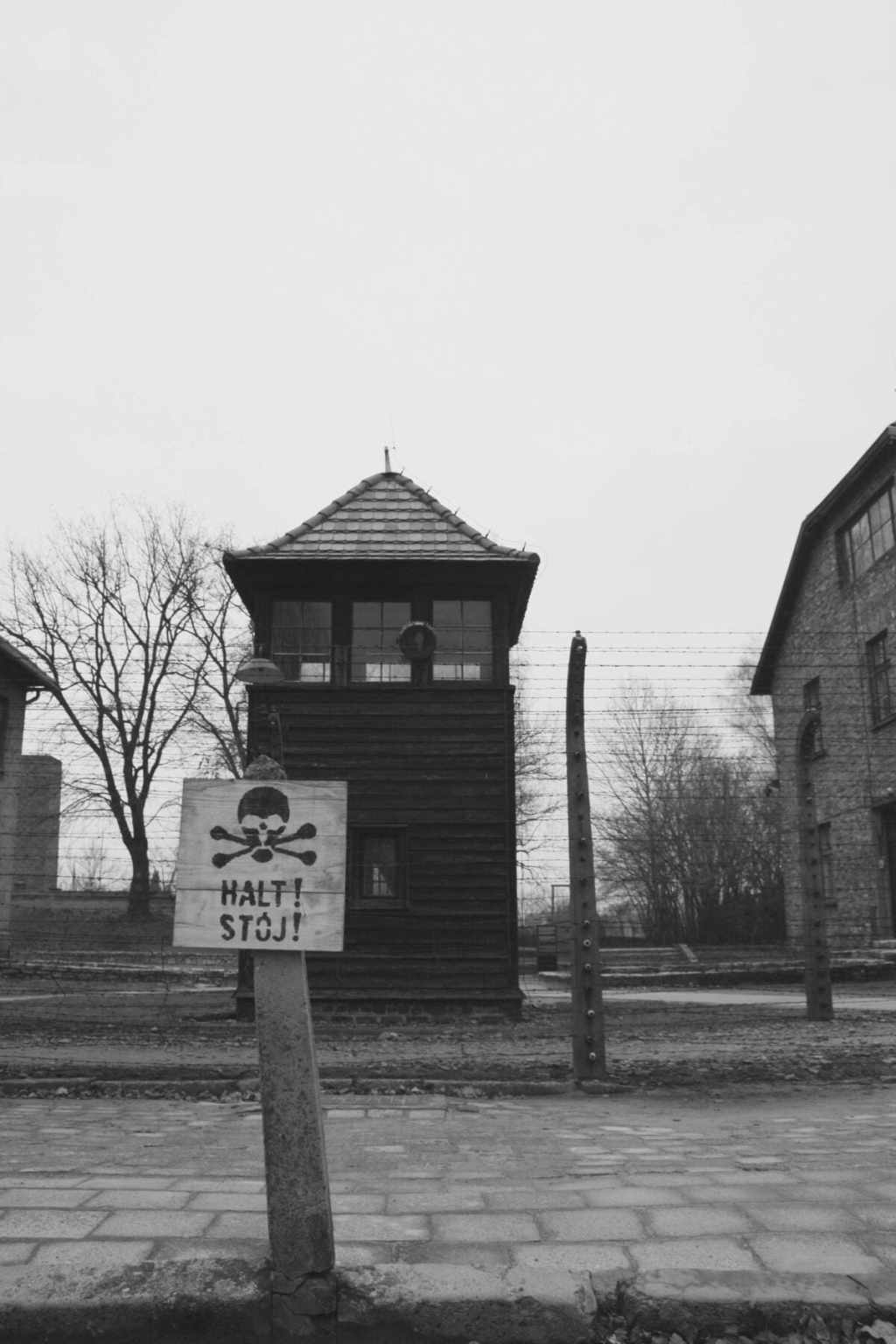
At the end of the 80s, as nationalist movements gained momentum, he faced increasing hostility due to his criticism of fascism and nationalism. The nationality of the director Lordan Zafranović didn’t help, quite the contrary. The future Croatian president, Franjo Tuđman, criticized him for his film Jasenovac: The Cruelest Death Camp of All Times. Unfortunately, when Franjo came to power, he declared Zafranovic “Enemy of the Croatian People.”
Forced into exile, he continued his work, including the documentary Decline of the Century: The Testament of L.Z. Lordan settled in Prague, where he found work at Czech Television. He finally returned to his native country in the 2000s and directed the comprehensive TV show, Tito – The Last Witnesses of the Testament. Nevertheless, he now lives in Prague and states he doesn’t have a home state.
Most Significant Lordan Zafranovic Movies
Here’s a list of some of the most significant Lordan Zafranovic movies:
- Occupation in 26 Pictures
- Dalmatian Chronicle
- Decline of the Century: The Testament of L.Z.
- Jasenovac: The Cruelest Death Camp of All Times
- The Fall of Italy
- Evening Bells
- Sunday
- Passion According to Matthew
All of the films listed above are worth watching if you love avant-garde cinema. However, Occupation in 26 Pictures is arguably his best movie and certainly his most controversial.
This film marked the beginning of Zafranović’s acclaimed World War II trilogy. Set in Dubrovnik during the onset of World War II, it follows the lives of three friends from different ethnic backgrounds as their relationships unravel amidst the horrors of war.
The critique of fascism and portrayal of violence triggered controversy but also got critical acclaim. He won the Golden Arena for Best Director and Best Film, and also the Milton Manaki Award at the Pula Film Festival. Moreover, he got a nomination for the Palme d’Or at Cannes.
Final Words on Lordan Zafranovic and His Career So Far
The work of Lordan Zafranovic stands as a testament to the power of cinema as a medium for truth-telling and historical reckoning. His fearless exploration of uncomfortable truths and his commitment to artistic integrity have solidified his place as a crucial figure in worldwide cinema.
Zafranović invites audiences to confront the past, question prevailing narratives, and engage in a deeper understanding of humanity’s capacity for both destruction and redemption.

 framebyframecritic