
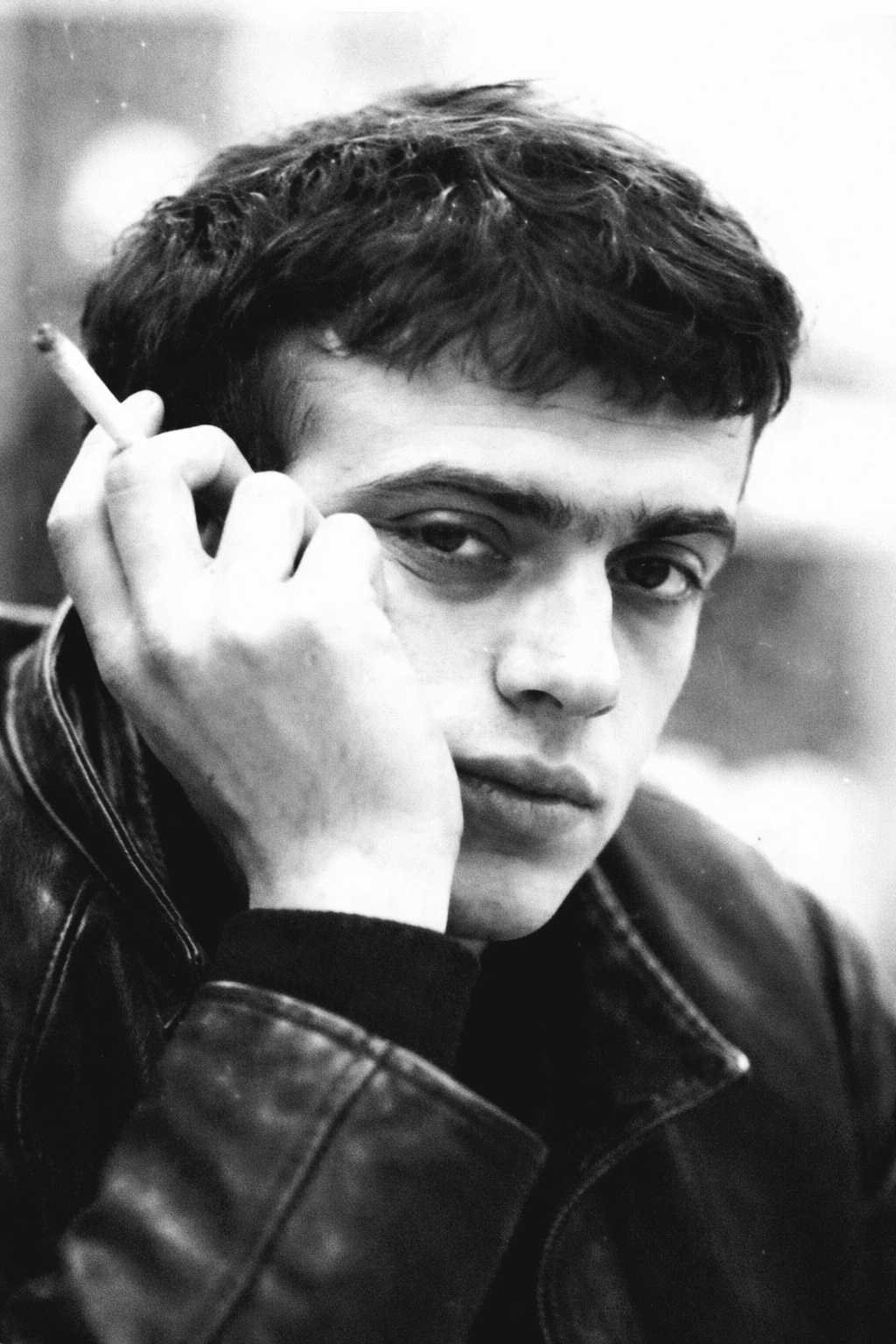
If there is a director from the Eastern Bloc who conquered the world, it’s Krzysztof Kieslowski. His movies perfectly explore society and various human conditions, diving deep into our souls.
Kieslowski is undoubtedly a master of cinema and one of the best directors ever. His high IQ allowed him to see and use the camera differently, which made him extremely authentic.
Unfortunately, this cinematic genius is no longer with us. However, his art remains. Therefore, let’s address his work from his beginnings.
The Beginnings of Krzysztof Kieślowski
Believe it or not, Kieslowski was rejected twice at the Lodz Film School before finally being accepted the third time. The Warsaw-born director was working as a theater tailor but then focused on film. He finished film school in 1968. The rest is history, literally.
Even though foreign travel was prohibited and state censorship was in place, Kieslowski could travel through Poland for filming and research. This was mainly for documentary films. His early documentaries and first non-documentary film, Personnel, mark the beginning of his impressive film career. The documentaries focus on people’s everyday lives, more often workers, soldiers, and city inhabitants.
The Emergence of Krzysztof Kieslowski’s Fiction Films
Aside from Personnel, The Scar was also one of his films that was part of social realism. The similarity with new wave movements is that they were made with many nonprofessional actors. The focus was on people’s everyday lives under the oppressive government. However, in these movies, Kieslowski didn’t comment about it openly, yet.
After this, he turned the focus more on the ethical choices of an individual rather than a community. Camera Buff and Blind Chance were his first movies in this manner, which are also considered part of the Cinema of Moral Anxiety.
These movies were the beginning of his censorship and political problems, but we’ll get to that a bit later.
Most Important Krzysztof Kieślowski Collaborations
Kieslowski often worked with the same actors. He also wrote several screenplays with his long-time collaborator, Krzysztof Piesiewicz. Another collaborator of his was the composer Zbigniew Preisner.
Here are some of the actors and actresses who often worked with Kieslowski:
- Jerzy Stuhr
- Grażyna Szapołowska
- Irène Jacob
- Artur Barciś
- Aleksander Bardini
- Zbigniew Zamachowski
- Tadeusz Bradecki
- Janusz Gajos
- Bogusław Linda
- Maria Pakulnis
Censorship Problems of Krzysztof Kieślowski
Krzysztof’s connection with directors like Agnieszka Holland, Janusz Kijowski, Andrzej Wajda, and others, concerned government figures. Therefore, all of his early movies were part of a censorship process, and he was forced to re-edit or re-shoot. That is, if they weren’t banned immediately.
Blind Chance was finished in 1981, but the Polish government didn’t release it until 1987. Short Working Day was made in 1981, but was released in 1995. The most clearly political film by Kieslowski is probably No End. It was released, but was highly criticized by the church and the government because it was about the political trials during martial law in Poland.
Like many other artists, Krzysztof Kieślowski often had to go through censorship processes. Surprisingly, this also had a positive aspect since it taught him how to use metaphors to protect his work.
Krzysztof Kieslowski Best Movies
Here’s a list of some of Krzysztof Kieslowski’s best films:
- The Double Life of Veronique
- Three Colors: White
- Three Colors: Red
- Three Colors: Blue
- A Short Film About Killing
- A Short Film About Love
- Camera Buff
- Blind Chance
- The Decalogue
- No End
- Talking Heads
- The Scar
- The Calm
- Short Working Day
- Personnel
In addition, here’s a list of Krzysztof Kieslowski’s favorite films, which also influenced him and his work.
Most Significant Krzysztof Kieślowski Awards
Here’s a list of some of the best film events where Kieslowski’s movies got recognition:
- Academy Awards
- Berlin International Film Festival
- BAFTA Awards
- Cannes Film Festival
- Venice Film Festival
- Chicago International Film Festival
- Krakow Film Festival
- French Syndicate of Cinema Critics
- Polish Film Festival
- Moscow International Film Festival
- New York Film Critics Circle Awards
- Oberhausen International Short Film Festival
- San Sebastián International Film Festival
- São Paulo International Film Festival
Final Thoughts on Krzysztof Kieślowski And His Work
Kieslowski is one of the few masters of cinema who were extremely authentic and avant-garde. It’s not surprising that his work is studied at universities and film classes worldwide.
All of his movies are worth watching. If you want to learn more, you can read Krzysztof Kieślowski’s books. For instance, in Kieslowski on Kieslowski, he describes his work and life through Danusia Stok’s interviews.
Thank you for reading, and if you want to continue, here’s a list of my other articles!

 framebyframecritic
Leave a comment